
Omega-3 Fatty Acids for Baby Boomers
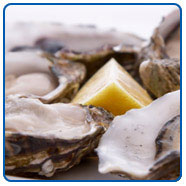
Omega-3 Fatty Acids for Baby Boomers
The Omega-3 Centre has launched the Scientific Consensus Report: Omega-3 Fatty Acids for Baby Boomers. The report reveals the importance of Omega-3 Fatty Acids for Baby Boomers. The recommended daily intake of omega-3s provides a Baby Boomer with the advantage to combat a variety of chronic conditions including cardiovascular disease, lowering triglycerides, age-related macular degeneration, rheumatoid arthritis and some metabolic conditions including weight management.Australia has 4.8 million Baby Boomers (those born from 1946-1965) and most of them are not consuming enough long chain omega-3s to protect them against chronic diseases. The desired levels of omega-3s can easily be achieved by having two-three serves of oily fish a week. This can be boosted by omega-3 enriched food and drinks and supplements of fish oil can be used if needed.
There is also interesting evidence to support omega-3s in helping mood and cognition which includes reducing the risk of depression and Alzheimers disease. The omega-3 DHA has a primary role in the development and functioning of the brain.
Therapeutic benefit can come from omega-3s as it can assist pain relief in existing rheumatoid arthritis, treatment for high blood triglycerides and cardiovascular disease.
What is the main importance of this campaign?
Wendy Morgan: Well The Omega-3 centre pulled together some experts in the area of omega-3s and some experts in the age group of Baby Boomers. Together they have come up with a whole lot of recommendations and one of the key recommendations is that as the Baby Boomers age they need to make sure they really get enough of the long chain omega-3s in their diet, either through food or sometimes supplements are needed. The main focus of our message is for the Baby Boomers to make sure they have enough long chain omega-3s in their diet.
Why is it that Baby Boomers are not eating enough omega-3 fatty acids?
Wendy Morgan: Its not just the Baby Boomers; few people eat enough long chain omega-3s. That is because omega-3s are found in so few foods and people just dont eat enough of the foods that are rich in omega-3s.
So there is a problem with the whole population not just the Baby Boomers?
Wendy Morgan: This campaign is aimed at the Baby Boomers, because there is a lot of Baby Boomers, these are people aged between 43 and 62 years old. Which means in the next 25 years or so we are going to see the number of people aged 65 years and over double. Thats the age that chronic diseases really start affecting peoples lives. Chronic diseases are impacted by long chain omega-3s. The idea is to try and help prevent things like coronary heart disease and pain from rheumatoid arthritis.
What foods are rich in long chain omega-3s?
Wendy Morgan: Mainly oily fish, which is the richest source. There is a variety of fish; fresh, frozen or canned. Its the species that is important; things like Sardines, Mackerel, Salmon and Tuna, and these are the oilier fish, which means they contain more omega-3s. Those sorts of fish are the most important, but other types of fish and seafood such as squid, prawns and oysters offer some omega-3s as well. All fish has a little bit.
Is it only fish that is rich in long chain omega-3s?
Wendy Morgan: Only the oily fish are very rich in Omega-3s. You only need two to three serves of oily fish a week.
If you dont eat fish would you suggest taking supplements?
Wendy Morgan: It is very difficult if you dont eat any fish or seafood, or any other animal products because a different form of omega-3s is found in plant foods, this is the shorter chain of omega-3. The human body finds it very difficult to convert that to the more effective long chain omega-3s, that have a role in the brain, the heart etc. For vegetarians they could perhaps look to microalgae sources of omega-3s and they are becoming more available in the market both as supplements and enriched foods.
How can we easily incorporate omega-3s into our daily eating habits?
Wendy Morgan: If you pick oily fish, two-three serves of oily fish a week. That could be sardines on toast one day, and going out for dinner and having the Atlantic salmon; that would be the minimum, so boost that with other fish and other foods that are enriched in long chain Omega-3s.
What plant foods contain the short chain omega-3s?
Wendy Morgan: The shorter chain omega-3s arent so effective. Canola oil is a good source of the shorter chain omega-3s and the only other really good source is Linseed
What are the benefits in consuming long chain omega-3s?
Wendy Morgan: Most of the evidence of the research is related to heart health or reducing the risk of heart disease and that is because long chain omega-3s work through a whole range of mechanisms to keep the heart and blood vessels healthy. This includes lowering blood t/riglycerides/, which is a type of fat found in the blood, similar to cholesterol, a different type. Also people who suffer from rheumatoid arthritis can benefit from having long chain omega-3s; they can actually help reduce the pain. The other area where there is quite strong evidence is eye health, in the risk of age related macular degeneration. Age related macular degeneration is one of the most common causes of blindness in older people. It isnt surprising because both the retina in the eye and the human brain are rich in DHA, which is one of the longer chain omega-3s in the body.
Images from Omega3centre. For more information see www.omega-3centre.com



MORE
- Best Snacks For Brain Health
- Antoinette-Louise Barnardo Swisse Kids Health...
- How to Eat Healthy
- 5 Natural Energy-Boosting Habits
- Dr. Ross Walker How Food Can Help With Heart...
- Top 5 Nutrient Boost Tips
- 10 Brain Foods Everyone Should be Eating
- Lee Holmes 2017 Health Trends Interview
- PureBred Seven Day Gluten-Free Challenge
- Study Suggests Poor Quality Diet Linked To...
- I Quit Sugar for Life
- Mad For Health 8 Food Myths
- Never Be Tempted Out Of Your Gluten-Free Diet...
- Melanie McGrice AIA Healthier Habits in 2014...
- Natural Remedies The Latest Buzz For Bites You
- Bosisto's Lavender Packs
- Chillax Natural Sleep Drink
- Beaming with Health Nighty Night
- Blackmores Eco-Krill
- Pamela Hore Bring It To The Table Interview
- Professor Kerin O'Dea Intervention on...
FEMALE.COM.AU
CONTACT US
FOLLOW US ON
Copyright © 2001 - Female.com.au, a Trillion.com Company - All rights reserved. 6-8 East Concourse, Beaumaris, Vic 3193, Australia.
